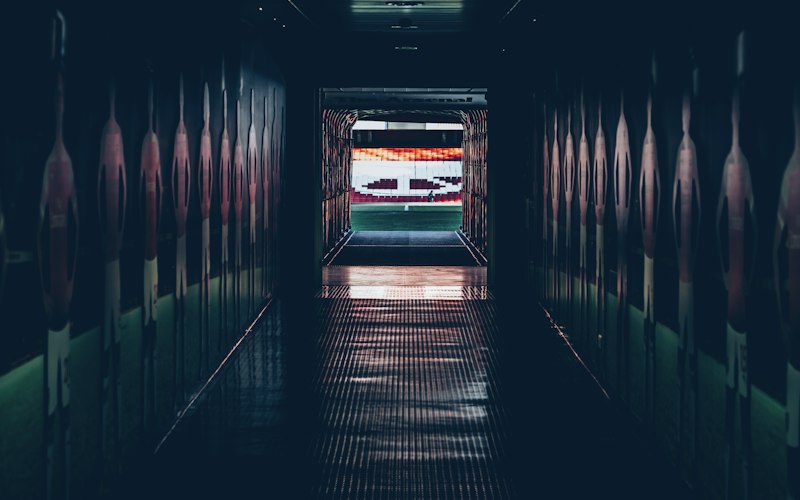
16,000 capacity. An investment exceeding €240 million. Designed by David Chipperfield Architects and Arup. Located in the regenerated Milano Santa Giulia district in the south-east of the city.
CTS EVENTIM signed the development agreement in August 2021. From that point, the company was responsible for everything: design coordination, construction oversight, technology integration, and the operational model that would sustain the venue long after the Olympic flame moved on.
Built for the Games. Designed to last.
The arena was purpose-built to host the Milano Cortina 2026 Winter Olympics. Ice hockey and para ice hockey sessions ran across the Games period, with full venue operations — ticketing, access control, and event-day management — delivered by the same team that built the building.
But an Olympic venue that only works for two weeks is a liability, not an asset. The Unipol Dome was designed from day one as a permanent, multi-purpose arena. Concerts, sport, corporate events, exhibitions — the configuration flexibility is built into the architecture, not bolted on afterwards.
Vertical integration in practice
Most ticketing companies sell tickets to venues they don't control. Most venue operators buy ticketing from providers they didn't build. The Unipol Dome is different. CTS EVENTIM developed, built, and now operates the venue — and provides the ticketing, access control, and fan engagement technology that runs inside it.
That vertical integration means every decision — from seat configuration to scanning hardware placement to concourse flow — is made by people who understand both the building and the technology. No handoffs. No integration gaps. No vendor finger-pointing when something needs to change.
What this means for the industry
The Unipol Dome is a proof point. A ticketing and live entertainment company can develop world-class infrastructure from the ground up, deliver it as an Olympic venue, and transition it into permanent commercial operation — all under one roof.
It joins EVENTIM's growing venue portfolio across Europe, reinforcing a model where technology, content, and infrastructure operate as a single business rather than three separate supply chains.